



Florida SB 4-D Penalties: Fines, Risks & Compliance Guide
September 16, 2026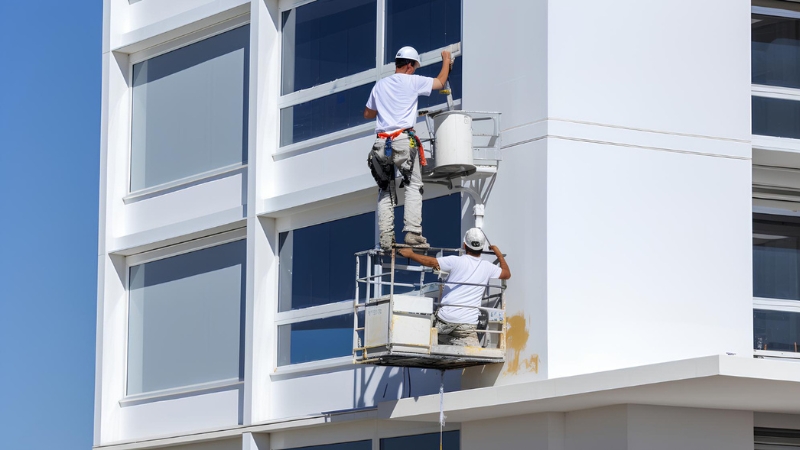
Maintaining the exterior and interior surfaces of commercial facilities, residential complexes, and industrial assets in South Florida presents a unique set of challenges. Extreme solar radiation, continuous high humidity, coastal salt air, and heavy seasonal precipitation can cause rapid surface breakdown, coating failure, and underlying material degradation. Specialized commercial painting and protective coatings do more than enhance visual appeal; they form a critical barrier that shields substrates from moisture intrusion, chemical exposure, and premature structural decline. Understanding how high-performance protective finishes operate helps building owners, facility managers, and HOA boards make strategic, long-term asset management decisions.
Quick Answer: Protective coatings and commercial painting involve applying specialized elastomeric membranes, epoxy systems, and high-durability finishes to shield building substrates from environmental damage. In South Florida's coastal climate, professional application prevents moisture infiltration, resists UV degradation, protects against salt-spray corrosion, and significantly extends the lifespan of concrete, metal, and masonry surfaces.
Key Benefits of High-Performance Protective Finishes
- Extends Substrate Lifespan: Shields concrete, masonry, metal, and wood from severe weather exposure, preventing surface degradation and structural repair needs.
- Prevents Moisture Penetration: Creates a continuous, weather-resistant seal that blocks rainwater and humidity from penetrating exterior wall assemblies.
- Resists Coastal Corrosion and UV Damage: Formulated with specialized resins and UV inhibitors to withstand persistent saltwater spray, intense heat, and color fading.
- Enhances Property Curb Appeal: Delivers clean, durable, and uniform finishes that elevate overall building aesthetics and support property market value.
- Lowers Ongoing Maintenance Costs: High-durability coatings require less frequent reapplication and reduce the likelihood of underlying substrate repairs over time.
What Are Protective Coatings and Commercial Painting?
Commercial painting and protective coatings encompass engineered surface treatments designed to offer superior durability, chemical resistance, and environmental protection compared to standard decorative paints. While consumer-grade architectural paint primarily serves aesthetic purposes, high-performance protective coatings are formulated using specialized polymers, including polyurethanes, epoxies, silicones, and elastomeric acrylics.
In South Florida, structural materials face dynamic thermal expansion, high humidity, and intense ultraviolet exposure. These environmental stressors cause standard paint films to chalk, blister, crack, or lose adhesion within a short timeframe. Advanced protective coating systems are specified based on substrate porosity, physical wear requirements, and specific environmental exposure. When applied correctly, these systems bond securely with concrete, stucco, structural steel, or wood to provide continuous, flexible protection against environmental decay.
Why Professional Surface Protection Matters
Substrate degradation rarely remains localized. When an exterior paint layer fails, moisture and airborne salts penetrate porous concrete or masonry, gradually reaching internal structural elements like reinforcing steel. For commercial asset managers, condominium boards, and industrial facility operators, investing in high-performance protective systems offers several practical advantages:
- Mitigating Subfloor and Structural Damage: Quality protective coatings keep liquid water away from structural concrete, helping prevent costly concrete spalling and rebar corrosion.
- Improving Thermal and Energy Efficiency: Reflective exterior coatings reduce solar heat absorption on building envelopes, helping lower interior cooling demands and energy costs.
- Supporting Facility Safety and Compliance: Specialized pedestrian and vehicular deck coatings provide slip-resistant properties, improving safety in high-traffic corridors and parking decks.
- Preserving Asset Marketability: Well-maintained exterior finishes maintain positive professional impressions for tenants, visitors, and potential buyers.
Signs It Is Time to Invest in Professional Protective Coatings
Recognizing the early warning signs of coating breakdown allows property managers to address surface vulnerabilities before substrate damage occurs. Key indicators that a facility requires professional surface evaluation include:
- Chalking and Surface Oxidation: A powdery residue forming on the paint surface indicates that UV radiation has degraded the coating's chemical binder.
- Chipping, Flaking, or Blistering: Loss of adhesion causes paint to lift from the substrate, usually triggered by trapped moisture vapor or improper surface preparation.
- Color Fading and Discoloration: Uneven fading or yellowing signals that the current finish can no longer resist solar exposure and environmental pollutants.
- Cracking and Hairline Fissures: Cracks in the coating layer expose underlying concrete or stucco directly to moisture infiltration and atmospheric salts.
- Rust Bleed and Metal Staining: Orange or brown rust stains bleeding through the paint indicate that underlying steel fasteners, structural beams, or rebar are corroding.
- Mold, Mildew, or Algae Growth: Dark organic staining indicates persistent surface dampness, suggesting the existing coating lacks adequate antimicrobial resistance or water repellency.
Key Factors to Consider When Selecting Coating Systems
Selecting the appropriate protective finish requires a detailed evaluation of environmental demands, substrate characteristics, and traffic patterns:
- Substrate Compatibility: Concrete, masonry, structural steel, and wood each require dedicated primer chemistry and coating formulations to achieve long-term adhesion.
- Elastomeric Properties: Exterior wall coatings must possess sufficient elasticity to bridge dynamic hairline cracks as the building naturally expands and contracts with thermal shifts.
- Abrasion and Chemical Resistance: Industrial floors, commercial walkways, and parking decks require heavy-duty epoxy or urethane systems capable of withstanding vehicular traffic, chemical spills, and heavy foot flow.
- UV and Color Stability: Formulations specified for South Florida must incorporate advanced UV stabilizers to prevent premature fading and surface chalking under intense sun exposure.
- Moisture Vapor Permeability: Wall coatings must be "breathable" to allow trapped interior moisture vapor to escape while blocking exterior liquid water from entering.
Common Mistakes in Commercial Surface Protection
Coating failures are frequently caused by improper specification or execution rather than material defects alone. Common challenges include:
- Inadequate Surface Preparation: Applying new coatings over dirty, chalky, or damp surfaces prevents proper bonding, leading to early peeling and adhesion failure.
- Using Standard Paint in Coastal Environments: Standard architectural paints lack the film thickness, flexibility, and salt resistance needed for harsh marine atmospheres.
- Ignoring Substrate Moisture Levels: Applying dense coatings over high-moisture concrete traps water inside, causing pressure buildup, blistering, and membrane detachment.
- Overlooking Joint Sealants and Flashings: Painting over deteriorated expansion joints without replacing sealants creates easy entry points for rainwater behind the new coating.
- Skipping Primer or Undercoat Layers: Omitting specified primers reduces coating adhesion and compromises total system dry-film thickness.
How Professional Support Improves Long-Term Results
Achieving durable surface protection requires technical evaluation, rigorous surface preparation, and specialized equipment. Partnering with experienced coating specialists offers significant operational benefits:
Detailed Substrate Diagnosis: Professional specialists assess moisture levels, surface pH, and existing coating compatibility to select the ideal chemical system for each specific structure.
Precision Surface Preparation: High-performance coatings rely heavily on proper surface profile creation, including pressure washing, chemical cleaning, mechanical grinding, and detailed joint repair prior to application.
Compliant Application Techniques: Professional applicators monitor environmental conditions, such as dew point, ambient temperature, and concrete moisture content, while ensuring precise wet-film thickness for optimal performance.
Maintaining high-performance protective coatings is fundamental to preserving building envelopes and supporting asset longevity. By identifying signs of finish breakdown early, property owners can safeguard structural components, enhance visual appeal, and reduce long-term repair costs.
If your property exhibits signs of paint fading, surface peeling, or environmental wear, an expert technical assessment can help determine the ideal coating strategy. Contact EZ General Construction today to schedule a property evaluation and explore customized protective coating solutions engineered for your South Florida facility.