

Future-Proof Florida HOAs: Building Maintenance Guide
October 22, 2026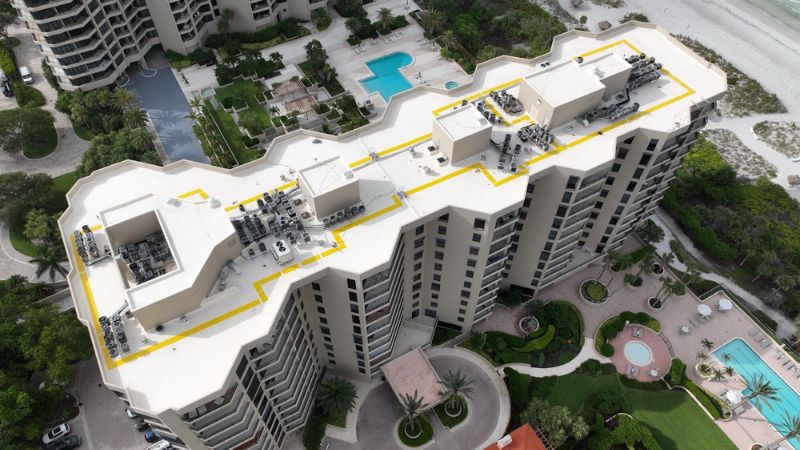
Commercial property owners and facility managers have enough responsibilities without adding preventable roofing problems to the list. One of the most overlooked warning signs is standing water that remains on a flat or low-slope roof after rainfall. While occasional surface moisture may be expected, persistent ponding water on commercial roofs can indicate drainage problems, surface deterioration, membrane issues, or underlying structural conditions that require professional attention.
Florida's frequent rainfall, intense heat, humidity, and severe weather can place additional demands on commercial roofing systems. When water cannot drain properly, repeated exposure can accelerate membrane deterioration, increase the risk of leaks, damage insulation, and create conditions that lead to more expensive repairs. Understanding why ponding water occurs and addressing the underlying cause early can help protect the roofing system and the property below it.
Quick Answer: Ponding water on commercial roofs occurs when rainwater remains on a flat or low-slope roofing system because of inadequate drainage, clogged drains, roof depressions, damaged components, or structural slope problems. Persistent standing water can accelerate roofing material deterioration, increase leak risks, damage insulation, add unnecessary weight to the roof system, and shorten the service life of the roof.
Key Benefits of Addressing Ponding Water Early
• Reduces the risk of recurring leaks and moisture intrusion into the building.
• Helps protect roofing membranes, insulation, flashing, and other critical components.
• Prevents minor drainage problems from developing into larger and more expensive roofing repairs.
• Supports longer service life for commercial roofing systems through proactive maintenance.
• Helps protect interior spaces, equipment, inventory, and business operations from water-related damage.
What Is Ponding Water on Commercial Roofs?
Ponding water on commercial roofs refers to accumulated rainwater that remains on the roofing surface instead of draining away within a reasonable period after precipitation. It is most commonly associated with flat and low-slope commercial roofing systems, where drainage depends on carefully designed slopes, drains, scuppers, gutters, and internal water-management systems.
Standing water does not necessarily mean that a roof has failed. However, persistent or recurring ponding should never be dismissed. When the same areas repeatedly collect water after rainfall, the condition may indicate an underlying drainage or structural issue that needs to be evaluated.
The problem can become particularly concerning when ponding occurs around roof penetrations, seams, drains, flashing, equipment curbs, or areas where the roofing membrane has already begun to deteriorate. Repeated moisture exposure can create additional stress on the roofing assembly and increase the possibility of water entering the building.
Why Ponding Water Matters for Commercial Properties
For commercial property owners and facility managers, a roof is more than a weather barrier. It protects the building's interior, equipment, inventory, occupants, and daily operations. Persistent standing water can therefore create consequences that extend well beyond the roof surface.
Accelerated Roof Deterioration: Continuous exposure to water can place additional stress on roofing membranes, seams, flashing, coatings, and other roof components, potentially shortening the useful service life of the system.
Increased Leak Potential: Standing water can remain around seams, penetrations, drains, and flashing for extended periods, increasing opportunities for moisture to enter vulnerable areas of the roofing assembly.
Interior Property Damage: Once water penetrates the roof system, it can affect ceilings, insulation, electrical components, equipment, inventory, and finished interior spaces.
Higher Maintenance Costs: Recurring ponding often requires repeated service calls when the underlying drainage or slope problem has not been properly identified and corrected.
Business Disruption: Significant roof leaks can interfere with employees, customers, tenants, equipment, and normal commercial operations, making a roofing issue a business continuity concern rather than simply a maintenance issue.
Signs Your Commercial Roof May Have a Ponding Water Problem
Not every roofing problem is immediately visible from inside the building. Property owners and facility managers should pay attention to recurring exterior and interior warning signs that may indicate a drainage or moisture problem:
Water Remaining After Rainfall: Visible areas of standing water that remain on the roof after surrounding surfaces have dried.
Recurring Water Collection: The same sections of the roof repeatedly collect water after storms or heavy rainfall.
Clogged or Restricted Drains: Leaves, dirt, debris, vegetation, or other obstructions preventing roof drains and drainage components from operating properly.
Roof Surface Depressions: Low areas or deflected sections where water naturally collects instead of flowing toward the designed drainage points.
Interior Water Stains: Discoloration, bubbling paint, damaged ceiling materials, or unexplained moisture inside the building.
Roof Membrane Deterioration: Blisters, cracking, splitting, loose seams, or other visible deterioration around areas exposed to prolonged moisture.
Recurring Roof Leaks: Leaks that appear after heavy rainfall or repeatedly occur in the same general location.
What Causes Ponding Water on Commercial Roofs?
Persistent standing water is usually a symptom rather than the root problem. Identifying why water is accumulating is essential before selecting a repair strategy. Several conditions can contribute to ponding water on commercial roofs:
Inadequate Roof Drainage
A commercial roofing system depends on properly designed and maintained drainage. Blocked drains, undersized drainage components, damaged scuppers, or improperly maintained gutters can prevent rainwater from leaving the roof efficiently.
Roof Depressions and Low Areas
Over time, roofing assemblies can develop low spots where water naturally accumulates. These depressions may result from aging materials, previous repairs, insulation movement, structural deflection, or other conditions that change how water moves across the roof surface.
Improper Roof Slope
Flat roofs are not necessarily completely level. Commercial roofing systems are generally designed with drainage slopes that direct water toward drains or other collection points. When the slope is insufficient or drainage paths are interrupted, water can remain concentrated in specific areas.
Damaged or Deteriorated Roofing Components
Aging membranes, failed seams, deteriorated flashing, damaged drains, and compromised penetrations can all contribute to water-management problems. Once these components begin to fail, recurring moisture exposure can accelerate deterioration.
Key Factors to Consider When Addressing Ponding Water
When standing water is identified on a commercial roof, property owners should avoid treating the visible water as the entire problem. A professional evaluation should consider the complete roofing and drainage system before determining the appropriate solution.
Drainage Evaluation: A thorough inspection should examine roof drains, scuppers, gutters, downspouts, overflow drainage, and the pathways that direct water away from the roofing surface.
Roof Membrane and Surface Condition
The condition of the roofing membrane should be evaluated around ponding areas and throughout the surrounding roof system. Inspecting seams, flashing, penetrations, coatings, and transitions can help identify whether prolonged moisture exposure has already caused deterioration.
Underlying Moisture and Insulation
Persistent water can compromise roofing insulation and contribute to concealed moisture conditions. Identifying affected areas before completing repairs can help prevent property owners from simply covering an existing problem and allowing moisture-related damage to continue underneath the new roofing surface.
Repair, Restoration, or Replacement
Not every commercial roof with ponding water requires complete replacement. Depending on the age, condition, materials, drainage configuration, and extent of deterioration, the appropriate solution may involve drain maintenance, localized repairs, drainage improvements, roof restoration, protective coatings, or a more comprehensive roofing replacement.
Professional Roof Maintenance
Routine commercial roof maintenance provides an opportunity to identify blocked drainage components, deteriorated flashing, membrane damage, and other developing problems before they become major failures. Preventive maintenance is particularly important in Florida, where heavy rainfall and severe weather can quickly expose weaknesses in an aging roofing system.
How Professional Commercial Roofing Can Help
Addressing ponding water effectively requires more than removing the water visible on the roof. The objective is to understand why the water is accumulating and determine whether the roofing, drainage, or underlying structure requires attention.
A professional commercial roofing team can evaluate the roof's overall condition, identify vulnerable areas, inspect drainage components, and recommend a repair or maintenance strategy based on the actual condition of the system.
Depending on the roof and its condition, solutions may include drainage maintenance, localized repairs, membrane restoration, roof coatings, or other appropriate commercial roofing services. The right approach should be based on the existing roofing assembly, the source of the problem, and the property's long-term maintenance objectives.
Proactive roof management remains one of the most effective ways to reduce avoidable commercial property damage. Addressing recurring ponding water early can help protect roofing components, reduce the likelihood of interior leaks, and preserve the performance of the roofing system over time.
Working with qualified commercial roofing specialists allows property owners and facility managers to turn a recurring drainage problem into a clear maintenance or repair plan, helping protect the building and reduce unexpected disruptions.
Ready to Address Ponding Water on Your Commercial Roof?
Request a professional property consultation with EZ General & Roofing Contractors today to evaluate your commercial roofing system, identify potential drainage concerns, and discuss the right repair, maintenance, or restoration solution for your property.