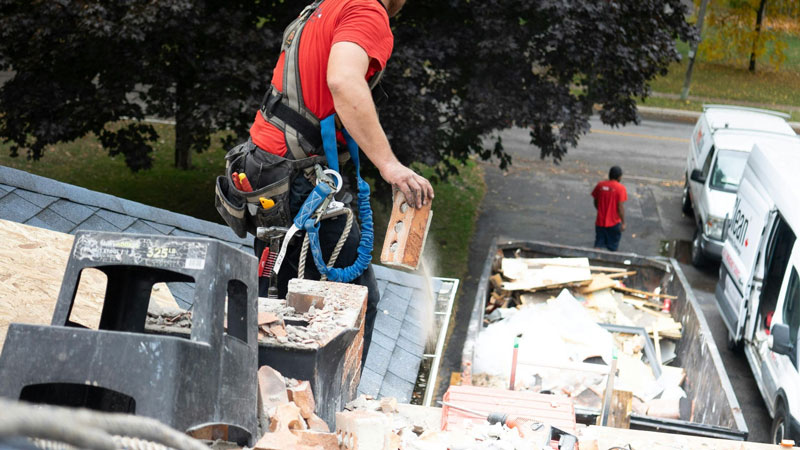




Ponding Water on Commercial Roofs: Risks & Solutions
October 22, 2026
Condo Concrete Restoration Cost: 5 Critical Factors
November 18, 2026
Post-Hurricane Roof Inspection Florida services help homeowners identify hidden storm damage that may compromise a property's structural integrity long after severe weather passes. When the Atlantic hurricane season officially draws to a close on November 30, Florida homeowners often feel an immediate sense of relief. However, the end of severe tropical weather does not mean your roof is automatically out of danger. Throughout the storm season, tropical depressions, severe rain bands, and high-wind events sweep across regional markets from Naples and Bradenton to Oakland Park and Greater Orlando. These system passages often leave behind subtle structural compromises that remain unobserved during casual observation.
Ignoring post-storm property assessments creates long-term financial and structural vulnerabilities. Minor shingle lifts, damaged flashing joints, and microscopic underlayment tears can continuously allow moisture to penetrate attic insulation and interior ceiling joists throughout the winter months. By the time visible ceiling stains or active indoor leaks manifest, structural wood rot, framing decay, and mold growth may already be taking hold within your wall cavities.
Learning how to spot the early warning signs of storm damage, and knowing when to move from a basic ground-level check to a professional roof evaluation, is vital to maintaining structural integrity, home equity, and insurance protection across Florida.
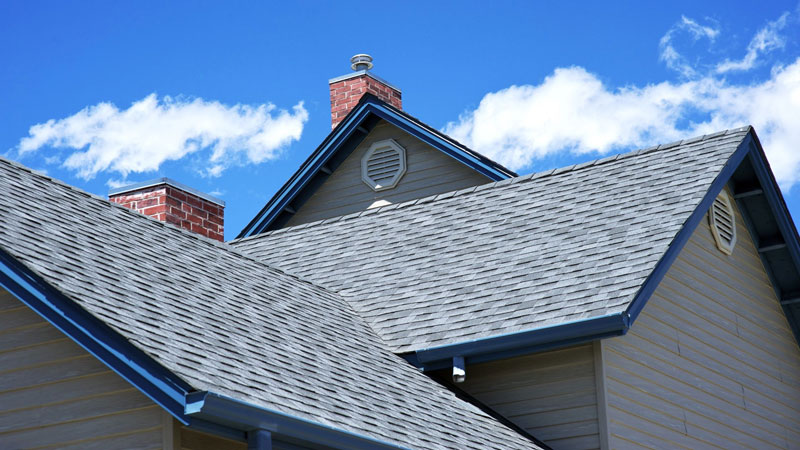
A Post-Hurricane Roof Inspection Florida assessment identifies both obvious external failures and hidden structural vulnerabilities caused by severe wind uplift, flying debris, and driving rain. Homeowners should inspect for lifted or creased shingles, missing granule coatings in downspouts, bent metal flashing, sagging gutters, damp attic insulation, and interior ceiling discoloration.
Because high-wind uplift can break underlayment adhesive seals without removing surface materials, scheduling a professional roof assessment ensures concealed moisture entry pathways are evaluated before severe wood rot or mold develops.
Exterior Signs of Storm Damage Visible from the Ground
Safety is the absolute priority following any severe weather event. Homeowners should avoid walking on wet, steep, or storm-damaged roof decks. An effective preliminary visual evaluation can be safely performed from ground level using binoculars or a smartphone camera lens.
- Lifted, Curled, or Creased Shingles: High wind gusts generate heavy aerodynamic uplift forces along roof edges and ridges. Even if an asphalt shingle remains attached to the decking, wind can snap its factory thermal self-sealing adhesive strip. Once this seal breaks, subsequent rainstorms drive moisture directly beneath the shingle matrix.
- Missing Architectural Shingles or Cracked Tiles: Large bare sections expose underlying organic or synthetic felt underlayment directly to UV exposure and rainfall. On concrete or clay barrel tile roofs, cracked or displaced tiles allow water to pool within tile valleys, rapidly deteriorating sub-layer membranes.
- Granule Accumulation in Gutters and Downspouts: High winds and severe rain scour protective mineral granules off asphalt shingles. Inspect downspout discharge zones for heavy deposits of dark, sand-like grit. The loss of this granule coating leaves underlying asphalt layers exposed to accelerated solar degradation under the intense Florida sun.
- Lifted or Displaced Metal Flashing: Metal flashing seals critical roof transitions around chimneys, dormers, plumbing vent stacks, and sidewalls. Wind forces frequently pull thin aluminum or galvanized steel flashing away from joint intersections, creating an unsealed channel for wind-driven rain.
- Gutter and Soffit Disruption: Wind-blown tree limbs and high-volume runoff can pull gutter spikes and support brackets away from fascia boards. When gutters sag or detach, heavy rainfall spills over roof edges, eroding perimeter foundation soil and decaying soffit panels under the eaves.
Hidden Roof Damage: Interior Warning Signs After a Hurricane
Roof leaks rarely result in immediate, dramatic ceiling drips following a tropical storm. In many instances, water travels along sloping roof rafters, electrical conduits, or ceiling joists before leaking down into interior drywall far from the original exterior entry point.
- Attic Insulation Dampness and Musty Odors: Inspect the attic using a bright light source. Damp, matted insulation or a persistent, earthy odor indicates active water entry through decking fasteners, valley seams, or ridge vents.
- Water Stains and Ceiling Rings: Carefully inspect upper-story ceilings, wall corners, and light fixture perimeters for yellow, brown, or water-ring discolorations.
- Peeling Paint or Wallpaper near Wall Joints: Moisture migrating down internal wall cavities degrades wallboard adhesives, causing interior paint to bubble or wallpaper to peel away from drywall surfaces.
- Rusting Fasteners or Rafter Streaks: Water creeping along structural wood framing leaves dark moisture streaks on roof trusses and causes drywall anchor heads on top-floor ceilings to rust or show dark moisture halos.
Post-Hurricane Roof Inspection Florida: Ground Assessment vs. Professional Inspection
Understanding the difference between an informal homeowner walkthrough and a comprehensive professional roof assessment clarifies when certified contractor intervention is needed.
A professional post-hurricane roof inspection helps Florida homeowners identify storm-related damage that may not be visible during a basic exterior assessment. This is particularly important when wind uplift, moisture intrusion, or compromised underlayment seals create concealed vulnerabilities.
Ground-Level Visual Assessment
A ground-level check is a preliminary safety sweep conducted by the property owner immediately after a storm passes. It relies entirely on line-of-sight observation from ground level or upper-story windows. While useful for identifying immediate hazards, such as fallen tree limbs, missing shingle sections, or hanging gutters, a ground-level sweep cannot evaluate adhesive seal strength, underlayment membrane condition, hidden sheathing rot, or micro-cracks in roof valley flashing.
Professional Roof Inspection
A professional roof assessment involves a certified roofing contractor physically accessing the roof plane and attic space to perform physical and diagnostic checks. Professional inspectors execute structural evaluations, including:
- Adhesion and Seal Integrity Checks: Manually checking shingle course edges along rake boards and eaves to verify that thermal sealing strips remain firmly attached.
- Underlayment and Decking Moisture Testing: Inspecting roof sheathing for soft spots, structural delamination, or wood decay caused by trapped moisture.
- Transitions, Valleys, and Flashing Audit: Inspecting step flashing, counter-flashing, valley liners, and pipe boot seals for subtle stress fractures or sealant separations.
- Insurance Claim Documentation: Producing photo-documented structural findings detailing wind uplift lines and storm impact patterns, which are vital for supporting insurance claims under Florida guidelines.
Frequently Asked Questions
The following questions address common concerns about roof inspections after hurricanes, identifying hidden storm damage, and protecting residential roofing systems in Florida.
What should I check after a hurricane?
After a hurricane, safely walk your property perimeter to look for missing shingles, cracked tiles, bent metal flashing, detached gutters, and fallen tree limbs. Indoors, inspect top-floor ceilings, wall corners, and attic spaces for water rings, damp insulation, or musty odors.
Can a roof have storm damage without visible leaks?
Yes. High winds frequently break the adhesive bonds beneath shingles or create micro-fractures in underlayment layers without triggering an immediate indoor drip. Water can pool within attic insulation or rot underlying roof sheathing for months before creating a visible stain on interior drywall.
How soon after a hurricane should I schedule a roof inspection?
You should schedule a professional inspection within two to three weeks after a major storm event, even if no active interior leaks are observed. Early inspections ensure hidden structural damage is documented promptly, protecting property integrity and keeping claim documentation well within insurance filing windows.
Scheduling a professional post-hurricane roof inspection in Florida helps homeowners identify hidden moisture intrusion, structural vulnerabilities, and storm-related roofing damage before they develop into costly repairs. Identifying minor shingle, flashing, or gutter defects early helps maintain roofing system performance and protect your property throughout the year.
Schedule a Professional Roof Assessment
Schedule a Professional Roof Assessment to evaluate your roof plane, identify hidden storm damage, and protect your home. Contact EZ General & Roofing Contractors today to speak with a licensed roofing specialist.