

Protective Coatings and Commercial Painting Solutions for South Florida Properties
September 16, 2026
Ponding Water on Commercial Roofs: Risks & Solutions
October 22, 2026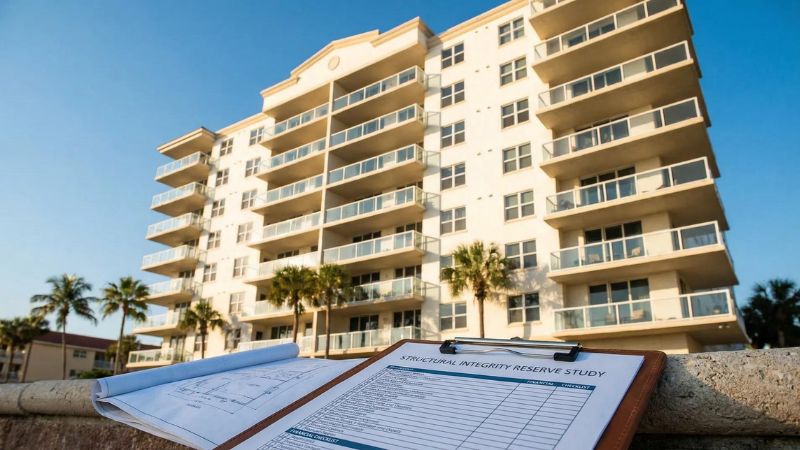
Completing milestone repairs is an important step for Florida condominium associations and HOAs, but it should not be treated as the end of a building's maintenance strategy. Once structural deficiencies have been identified and addressed, association boards and property managers still need to protect the building against moisture intrusion, concrete deterioration, corrosion, roof failure, drainage problems, and other conditions that can develop over time.
Florida's coastal environment, intense sunlight, heavy rainfall, humidity, and exposure to wind-driven moisture place continuous demands on residential and mixed-use properties. Without a proactive maintenance strategy, today's completed repairs can eventually become tomorrow's structural or waterproofing problems. Future-proofing Florida HOAs means moving beyond one-time compliance projects and establishing a long-term approach to protecting the building envelope, structural components, roofing systems, and common areas.
Quick Answer: Florida HOAs can future-proof their buildings by combining preventive maintenance, routine building envelope inspections, concrete monitoring, waterproofing, protective coatings, roof maintenance, drainage management, corrosion prevention, and long-term capital planning. A proactive maintenance strategy helps identify deterioration earlier, extend the service life of building components, reduce unexpected repair costs, and protect property value.
Key Benefits of Future-Proofing Florida HOA Buildings
- Reduces the likelihood of expensive emergency repairs caused by deferred maintenance.
- Helps identify concrete deterioration, moisture intrusion, corrosion, and roof problems before they become more extensive.
- Extends the service life of structural, waterproofing, roofing, and exterior building components.
- Provides association boards with better information for long-term reserve and capital expenditure planning.
- Protects property value, resident safety, building appearance, and the long-term functionality of shared community spaces.
What Does Future-Proofing a Florida HOA Building Mean?
Future-proofing a Florida HOA building means developing a proactive maintenance and capital planning strategy designed to preserve the property's structural integrity, weather resistance, functionality, and long-term value. Rather than waiting for visible deterioration or another major inspection requirement, association leaders continuously monitor the condition of critical building systems and address developing problems before they become major failures.
This approach extends beyond milestone repairs. A building that has completed required structural work can still experience concrete deterioration, rebar corrosion, waterproofing failures, roof leaks, drainage deficiencies, coating deterioration, and other forms of environmental damage. Regular monitoring and preventive maintenance help ensure that completed restoration work continues to perform as intended.
For Florida HOAs, future-proofing should therefore be viewed as an ongoing property management process rather than a single construction project.
Why Long-Term Building Maintenance Matters
For HOA boards and property managers, maintaining a building over decades requires more than responding to visible problems. Preventive maintenance allows associations to identify deterioration while repairs are still manageable and helps boards make informed decisions about future capital expenditures.
- Controls Long-Term Costs: Addressing minor waterproofing failures, concrete deterioration, drainage problems, or roof deficiencies early can reduce the likelihood of more extensive restoration later.
- Protects Structural Components: Routine monitoring helps identify cracking, spalling, exposed reinforcement, corrosion, and moisture-related deterioration before these conditions become more difficult to address.
- Improves Capital Planning: Documenting the condition and expected service life of major building components gives boards better information when planning reserves, budgets, and future construction projects.
- Reduces Emergency Repairs: Planned maintenance allows associations to address predictable deterioration before a failure creates an urgent repair situation affecting residents or common areas.
- Preserves Property Value: Well-maintained buildings are better positioned to protect their appearance, functionality, marketability, and long-term investment value.
Signs Your HOA Needs a More Proactive Maintenance Strategy
Completing a major repair project does not eliminate the need for continued monitoring. Certain warning signs can indicate that an association should strengthen its long-term building maintenance program. Key indicators include:
- Recurring Water Intrusion: Repeated leaks through balconies, exterior walls, windows, roofs, parking decks, or other areas of the building envelope.
- New Concrete Deterioration: Cracking, spalling, delamination, exposed reinforcement, or rust staining appearing after previous structural restoration.
- Coating Failure: Peeling, cracking, chalking, blistering, or other deterioration of protective exterior coatings.
- Roofing Concerns: Standing water, recurring leaks, deteriorated flashing, damaged membranes, or drainage problems affecting the roof system.
- Corrosion Indicators: Rust staining, deterioration around metal components, or evidence that moisture is reaching reinforced concrete or exposed steel.
- Drainage Problems: Blocked drains, damaged gutters, inadequate drainage paths, or areas where water repeatedly accumulates following heavy rainfall.
- Reactive Maintenance Patterns: Repeated emergency repairs without a documented long-term maintenance schedule or condition assessment.
- Aging Building Components: Roofing, waterproofing, coatings, concrete repairs, windows, doors, and other exterior systems approaching the expected end of their service life.
Key Factors to Consider When Future-Proofing an HOA Building
Creating an effective long-term maintenance strategy requires association leaders to evaluate the building as an interconnected system. Structural components, waterproofing, roofing, drainage, coatings, and the exterior building envelope all influence the property's ability to withstand Florida's demanding environmental conditions.
Condition Assessment and Monitoring: Establishing a documented baseline for the current condition of structural and exterior components allows boards and property managers to identify changes over time and prioritize maintenance needs.
Concrete Monitoring and Structural Maintenance
Concrete should not be considered maintenance-free simply because previous repairs have been completed. Regular observation of balconies, walkways, parking structures, exterior slabs, columns, beams, and other concrete components can help identify cracking, spalling, delamination, corrosion, and moisture-related deterioration at an earlier stage.
Monitoring allows property managers to document developing conditions and coordinate appropriate professional evaluations before localized deterioration becomes a larger restoration project.
Waterproofing and Moisture Protection
Water is one of the most significant contributors to building deterioration in Florida. Waterproofing systems around balconies, decks, plazas, foundations, transitions, joints, and other vulnerable areas help prevent moisture from reaching materials that can deteriorate when repeatedly exposed to water.
Maintaining these protective systems is particularly important after structural restoration because effective waterproofing helps protect repaired concrete and reinforcement from future moisture intrusion.
Roof Maintenance and Drainage Management
A building's roof is a critical component of the overall building envelope. Regular roof inspections, drainage maintenance, flashing evaluations, and timely repairs can help prevent water from entering the structure and affecting interior spaces or other building components.
Roof drains, scuppers, gutters, overflow systems, and drainage pathways should also remain clear and functional. Preventing ponding water and uncontrolled runoff reduces unnecessary stress on roofing and exterior systems.
Protective Coatings and Corrosion Prevention
Protective coatings can provide an additional layer of defense against moisture, ultraviolet exposure, and the environmental conditions common throughout Florida. Properly selected and professionally applied coatings can help protect concrete and exterior surfaces while extending maintenance cycles.
Corrosion prevention is particularly important in coastal environments, where salt-laden air can accelerate deterioration of exposed or inadequately protected metal components. Identifying moisture pathways and maintaining protective barriers can help reduce the conditions that contribute to corrosion.
Building Envelope Inspections
Future-proofing should include periodic evaluation of the complete building envelope rather than focusing on a single component. Exterior walls, windows, doors, balconies, waterproofing systems, expansion joints, roof assemblies, and drainage components work together to protect the interior of the building.
A building envelope inspection can help identify developing deficiencies that may not yet be visible from inside individual units or common areas.
Long-Term Capital Planning
Preventive maintenance is most effective when it is connected to a long-term capital plan. HOA boards should maintain records of completed repairs, expected component service lives, recurring maintenance requirements, inspection findings, and anticipated future projects.
This information helps associations prioritize work based on condition and risk rather than waiting until a component fails. It also provides greater visibility when preparing annual budgets, reserve allocations, and major capital improvement plans.
Building a Proactive Maintenance Program
Future-proofing a Florida HOA requires coordination between association leadership, property management, engineers, inspectors, and qualified contractors. The objective is not to perform unnecessary work, but to establish a predictable process for identifying deterioration and addressing it at the appropriate stage.
A practical maintenance program can include scheduled building envelope inspections, concrete condition monitoring, roof inspections, drainage maintenance, waterproofing evaluations, protective coating assessments, corrosion monitoring, and documented follow-up after completed restoration projects.
Maintaining detailed records is equally important. Inspection reports, photographs, repair documentation, warranties, permits, engineering recommendations, and maintenance schedules provide a historical record that helps future boards understand what has been repaired, what remains active, and what components may require attention next.
Proactive management also allows associations to coordinate related work more efficiently. For example, waterproofing, concrete restoration, protective coatings, and exterior maintenance may sometimes be planned together to reduce repeated mobilization, minimize disruption to residents, and provide more consistent protection across the building envelope.
The goal is simple: do not wait for the next major failure to discover what your building needs. A structured maintenance strategy gives HOA boards greater control over timing, budgeting, contractor coordination, and long-term property performance.
Future-proofing Florida HOAs is ultimately about shifting from reactive repairs to continuous building stewardship. By monitoring structural components, protecting against moisture, maintaining roofs and drainage systems, preventing corrosion, and planning capital improvements before emergencies occur, associations can help preserve their buildings for the years ahead.
Working with qualified restoration and building maintenance specialists can help boards and property managers turn inspection findings and maintenance concerns into a practical long-term strategy, protecting both the physical property and the investment of the community.
Ready to Future-Proof Your Florida HOA Building?
Request a professional property consultation with EZ General & Roofing Contractors today to evaluate your building's structural, waterproofing, roofing, and exterior maintenance needs and develop a proactive strategy for long-term property protection.