Expert Concrete Restoration Aventura, FL
EZ General Contractors provides comprehensive concrete restoration services in Aventura, FL, backed by over 25 years of specialized experience in coastal corrosion mitigation, structural rehabilitation, and waterproofing systems. Our licensed team addresses chloride-induced reinforcement corrosion, hydrostatic-pressure damage, and carbonation-related deterioration using advanced techniques. All services are performed in compliance with the latest Florida Building Code updates and Broward County regulations.
25+
Years Experience
500+
Projects Completed
100%
Licensed & Insured
Technical Encyclopedia
Structural Deterioration Science
Understanding the coastal corrosion cycle and concrete degradation mechanisms in Aventura's unique marine environment
Executive Summary: The Coastal Corrosion Cycle
Concrete structures in Aventura deteriorate faster due to continuous exposure to salt-laden air from nearby Biscayne Bay and the Intracoastal Waterway, a shallow groundwater table connected to the Biscayne Aquifer, and carbonation accelerated by the region’s humid subtropical climate. In this coastal mainland environment, where dense high-rise development sits close to tidal waterways, these factors combine to create an aggressive marine exposure cycle that accelerates reinforcement corrosion, cracking, and concrete spalling. As a result, specialized concrete restoration, protective coatings, and proactive preventative maintenance are essential to preserve the long-term structural durability of residential towers, commercial buildings, and waterfront infrastructure throughout Aventura.
Additional Deterioration Factors
Thermal Cycling & UV Degradation
Hurricane & Wind-Driven Rain
Biological Growth & Organic Acids
Freeze-Thaw (Minimal) & Moisture Cycling
Comprehensive Service Documentation
Advanced Restoration Technologies
Technical descriptions of our specialized concrete restoration services, compliant with Florida Building Code 2023/2026 and industry standards
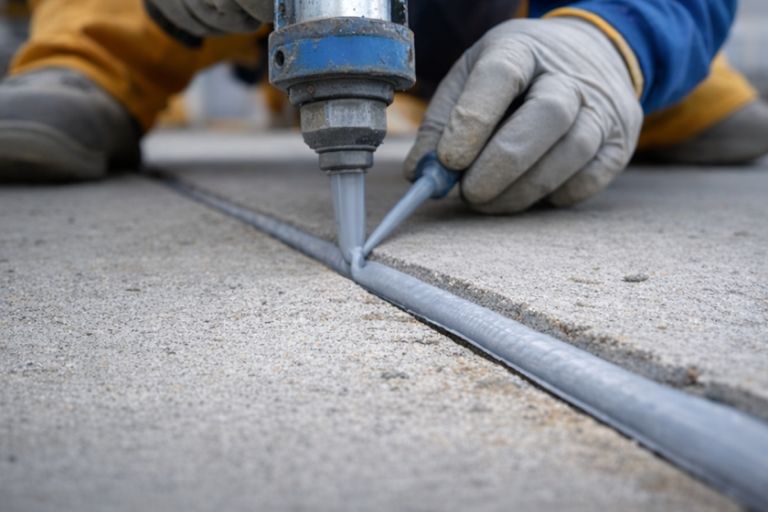
- Parking garages
- Sidewalks & common areas
- Pool decks
- Drive lanes & entryways
- Balconies & walkways
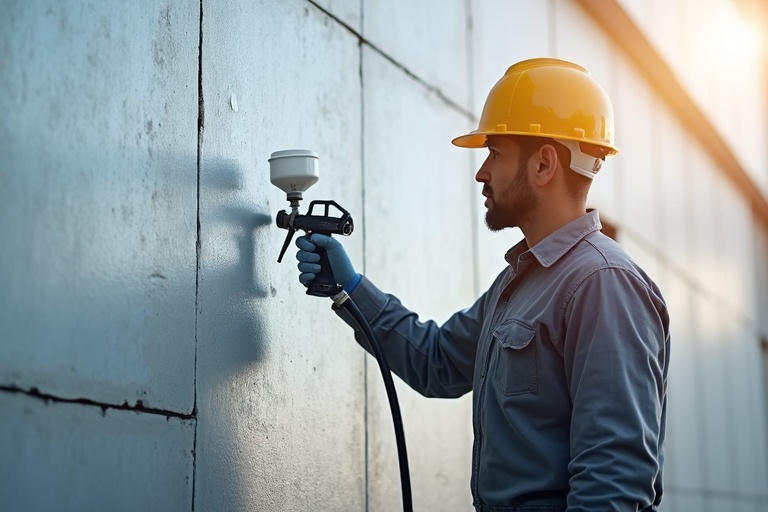
- Liquid-Applied Membranes
- 400% Elongation Capacity
- UV-Resistant Formulation
- 15-25 Year Warranty
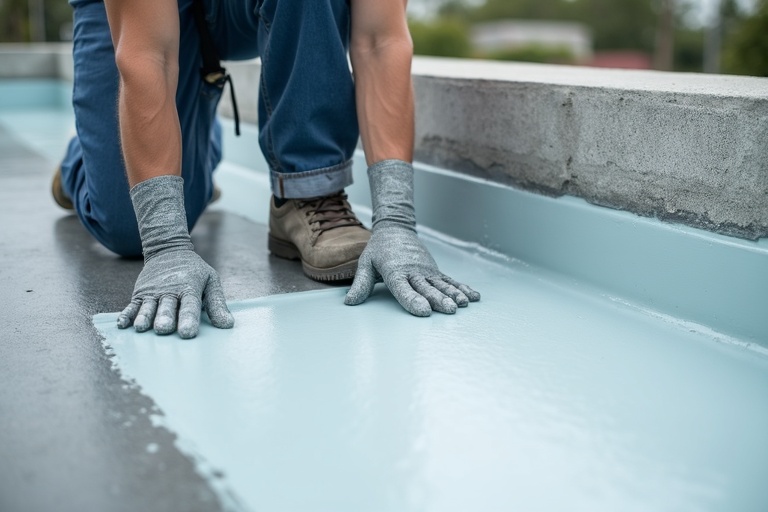
- Liquid-Applied Membranes
- 400% Elongation Capacity
- UV-Resistant Formulation
- 15-25 Year Warranty
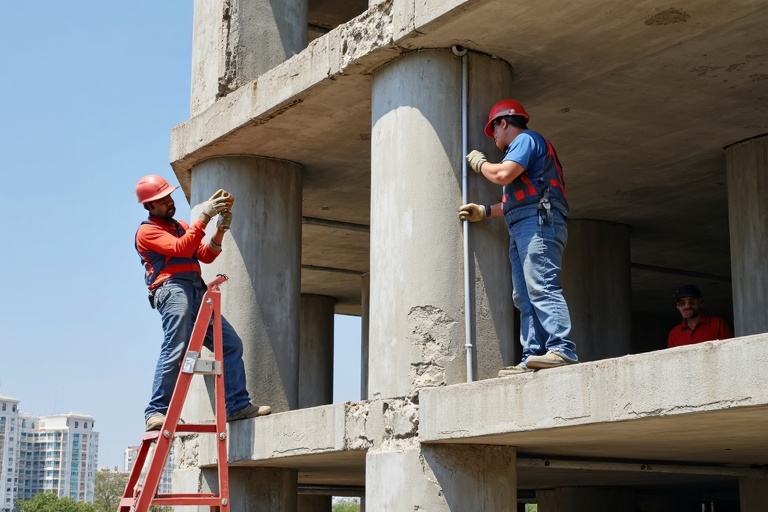
- Polymer-Modified Mortars
- Shotcrete Application
- Fiber Reinforcement
- Corrosion Inhibitor Treatment
Preventive Maintenance
Scheduled inspection programs with detailed reporting, including visual surveys, concrete cover measurements, and corrosion rate monitoring to prevent costly emergency repairs.
Engineering Reports
Detailed documentation for insurance claims, property transactions, and regulatory compliance, prepared by licensed professional engineers with structural analysis and repair recommendations.
2026 Regulatory & Cost Guide
Compliance & Investment Planning
Comprehensive guide to Broward County permit requirements, Florida Building Code 2023/2026 updates, and project cost expectations
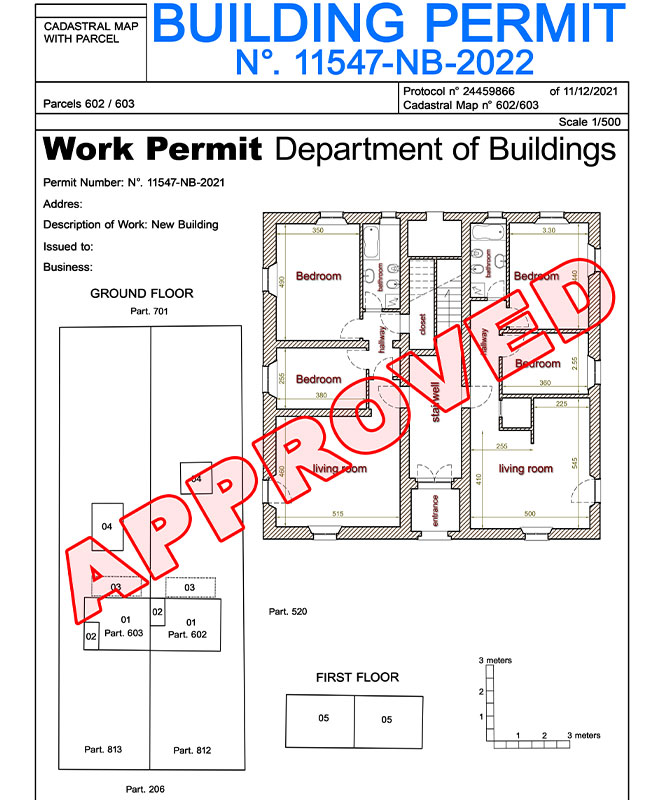
When Permits Are Required:
- Any structural concrete repair exceeding $2,500 in value
- Repairs affecting load-bearing elements (columns, beams, slabs)
- Balcony and facade restoration in buildings 3+ stories
- Waterproofing systems on occupied structures
- Installation of cathodic protection systems
Typical Permit Fees (2026):
- Base Fee: $150-$300 for residential projects
- Valuation Fee: 1.85% of total project cost
- Plan Review: 65% of permit fee for commercial
- Inspection Fee: $75-$150 per required inspection
- Re-inspection: $100 per additional visit if corrections needed
Florida Building Code 2023/2026 Updates
Structural Requirements (FBC Chapter 18)
Concrete Cover Requirements (ACI 318-19 adopted): Minimum concrete cover over reinforcement increased for coastal exposure:
- Severe Exposure (within 1,000 ft of coast): 2.5 inches minimum for beams/columns, 2.0 inches for slabs
- Moderate Exposure (1,000-5,000 ft): 2.0 inches for beams/columns, 1.5 inches for slabs
- Corrosion Protection: Mandatory use of corrosion-inhibiting admixtures or epoxy-coated rebar in coastal zones
Compressive Strength Minimums: Structural concrete in coastal applications must achieve minimum 4,000 psi at 28 days, with maximum water-cement ratio of 0.45 for severe exposure conditions.
Wind Resistance (FBC Chapter 16)
Enhanced Wind Load Requirements: Aventura classified as Wind Zone III with updated design parameters:
- Basic Wind Speed: 175-185 mph (3-second gust) for Risk Category II structures
- Balcony Attachments: Must resist 1.5x design wind loads with special inspection requirements
- Facade Systems: Enhanced anchorage requirements for cladding and architectural elements
Impact Resistance: All exterior concrete elements within 30 feet of grade must be designed to resist wind-borne debris impact per ASTM E1996 and E1886 testing protocols.
Waterproofing Standards (FBC Section 1805)
Mandatory Waterproofing: All foundation walls retaining earth and enclosing interior spaces below grade require approved waterproofing systems:
- Type I: Membrane waterproofing for hydrostatic conditions (water table within 6 feet)
- Type II: Dampproofing for non-hydrostatic conditions with proper drainage
- Drainage Systems: Perimeter drains required at footing level, minimum 4-inch diameter, sloped 1/8 inch per foot
2026 Update: New requirements for vapor barriers in slab-on-grade construction, minimum 10-mil polyethylene with sealed joints and 4-inch granular base layer.
Inspection Protocols (FBC Chapter 1)
Required Inspections for Concrete Restoration:
- Pre-Construction: Existing conditions documentation with photographic evidence R
- einforcement Exposure: Inspection before concrete placement to verify rebar condition and treatment
- Concrete Placement: Verification of mix design, slump, and air content per ACI 301
- Final Inspection: Verification of completed work, surface finish, and protective coatings
Special Inspections: Continuous special inspection required for structural repairs exceeding $50,000 or affecting primary load paths, performed by approved testing agency.
Interactive FAQ
Frequently Asked Questions
Still Have Questions?
Our structural engineering consultants in Aventura are available to discuss your specific concrete restoration needs and provide detailed technical assessments.
Get Your Free Consultation
Our Team in Aventura is Ready to Assist You.
Our licensed structural engineers will conduct a comprehensive inspection of your property, including chloride content testing, carbonation depth measurement, and detailed condition assessment. Receive a detailed report with repair recommendations and cost estimates.